
Fern Walk at Ann Lee Pond
Led by botanists Laura Lehtonen and Steve Young. You will meet at the parking lot by the trail entrance, located at 117 Heritage Lane. Ferns are a diverse group of

Led by botanists Laura Lehtonen and Steve Young. You will meet at the parking lot by the trail entrance, located at 117 Heritage Lane. Ferns are a diverse group of
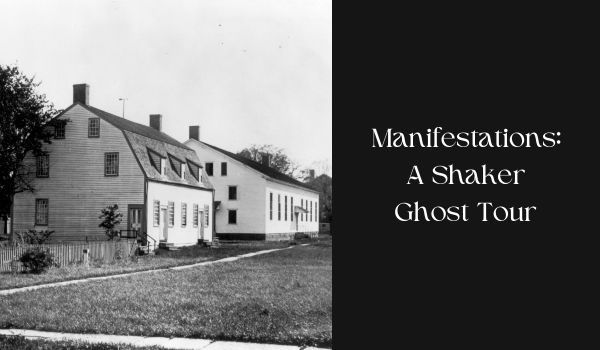
250 years ago, eight Shakers fled England, bound for New York in hopes of finding religious freedom. Named for their trembling “religious ecstasies,” the Shakers received gifts of revelation; communications
250 years ago, eight Shakers fled England, bound for New York in hopes of finding religious freedom. Named for their trembling “religious ecstasies,” the Shakers received gifts of revelation; communications
250 years ago, eight Shakers fled England, bound for New York in hopes of finding religious freedom. Named for their trembling “religious ecstasies,” the Shakers received gifts of revelation; communications
250 years ago, eight Shakers fled England, bound for New York in hopes of finding religious freedom. Named for their trembling “religious ecstasies,” the Shakers received gifts of revelation; communications
250 years ago, eight Shakers fled England, bound for New York in hopes of finding religious freedom. Named for their trembling “religious ecstasies,” the Shakers received gifts of revelation; communications
250 years ago, eight Shakers fled England, bound for New York in hopes of finding religious freedom. Named for their trembling “religious ecstasies,” the Shakers received gifts of revelation; communications

The Shakers are a Utopian society whose beliefs of gender and racial equality date back to the late 1700's. Join us while we explore America's 1st Shaker settlement through the

Founded by English mystic Mother Ann Lee, the Shakers formed small, thriving villages based upon principles of equality and compassion. A celibate community, their worship was infused with music and
The Watervliet Shaker West Family was the last to be organized, in 1810, and the first to close, in 1914. When the buildings were rehabilitated in the 1940s for private